



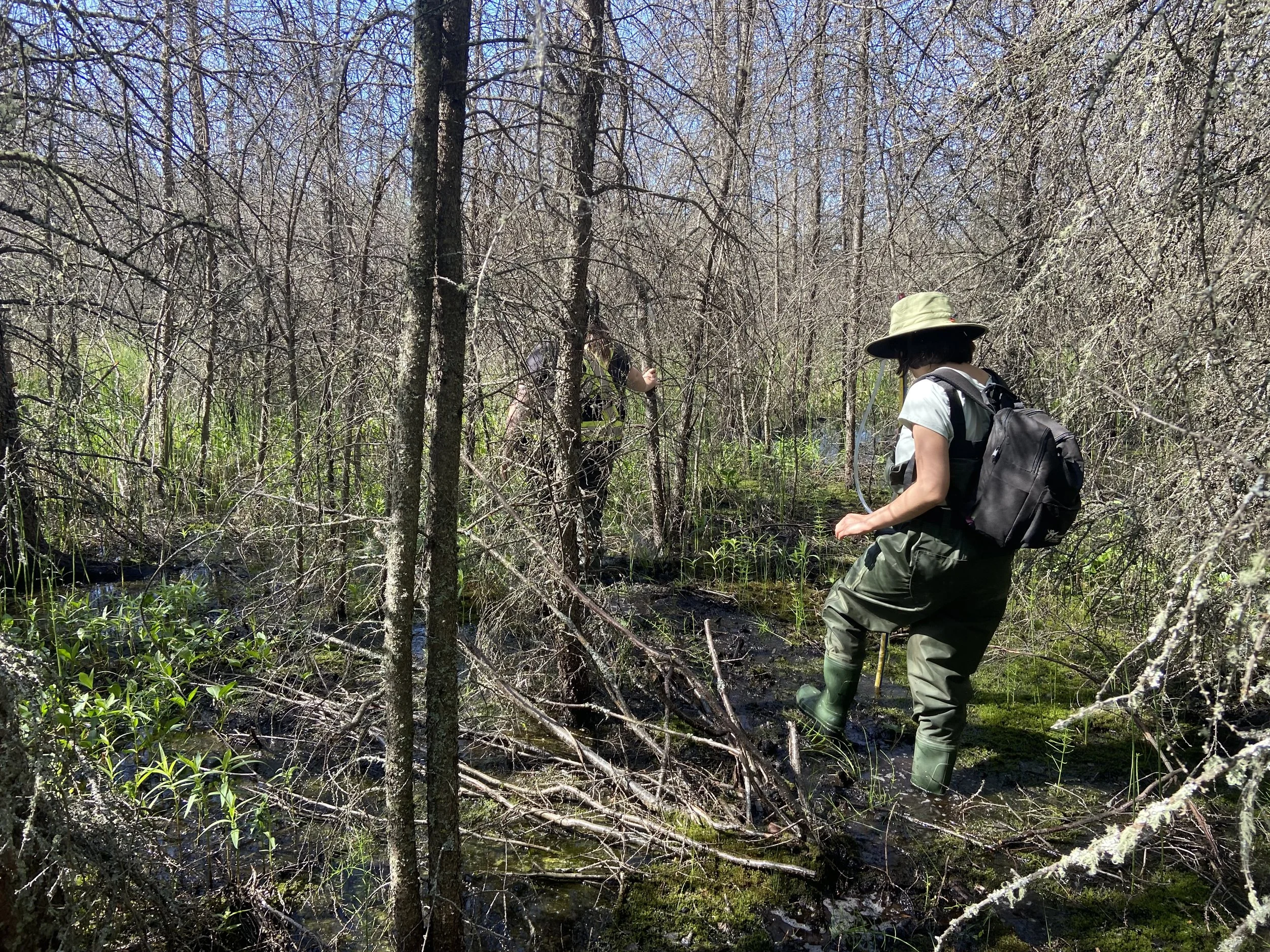
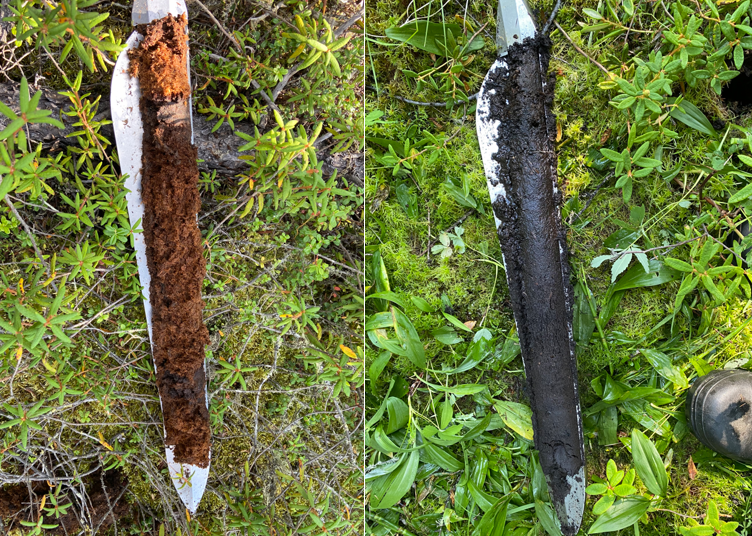
Braiding Knowledge Through Youth Land-Based Learning at the Boreal Wetland Centre
/
Ducks Unlimited Canada (DUC) and the Grande Prairie Friendship Centre (GPFC) are partnering on a new project, Braiding Traditional Knowledge into Freshwater Conservation through Youth Land-Based Learning, launched in 2025. This project is funded in part by the Government of Canada through the Canadian Water Agency’s EcoAction Program, TD Friends of the Environment Foundation, and Boreal Wetland Centre operations.
To advance freshwater conservation through land-based learning, DUC and the GPFC are offering five on-the-land camps for Indigenous youth focused on wetland and freshwater conservation; restoring and enhancing wetlands and connected uplands at the Boreal Wetland Centre; and raising awareness and understanding of the role of wetlands in freshwater conservation. Through the seasonal land-based camps, youth are learning directly from Elders, Knowledge Keepers, community partners, and conservation professionals. The project brings together Traditional Ecological Knowledge and Western Science to support a deeper understanding of wetlands, freshwater ecology, and land stewardship. The first two camps took place at the Boreal Wetland Centre in February and May 2026, with a third camp planned for September 2026.
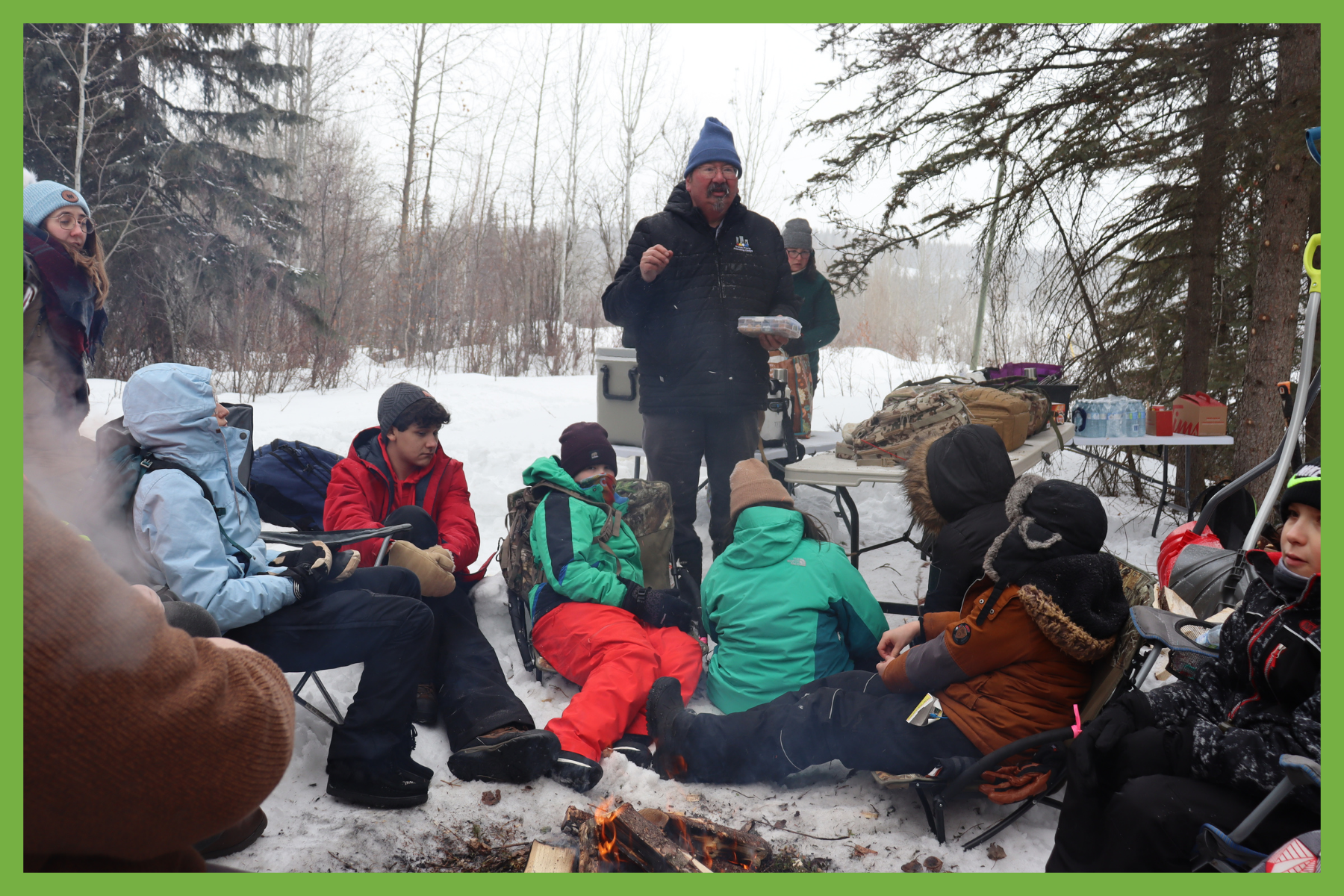
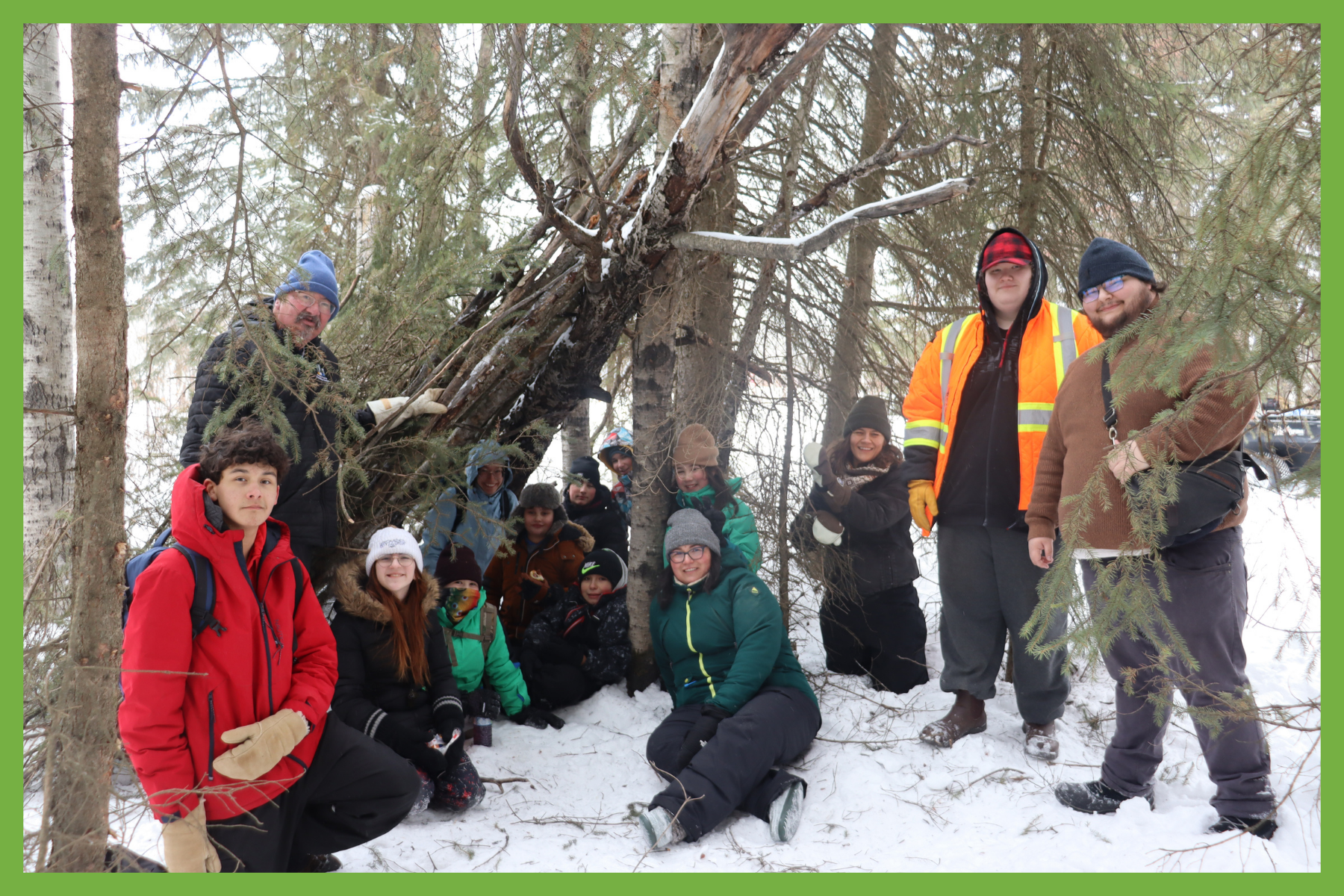
The first camp was held on a cold and snowy day in February with youth participants joining DUC staff, GPFC staff, and Elders for a day of winter survival and winter ecology teachings.
Following a smudge and a sharing circle, Elder Len Auger shared teachings on winter survival, including fire making, shelter building, safety equipment, and what to carry in a survival kit. Youth also learned traditional protocols, including how to respectfully offer tobacco and ask for teachings.
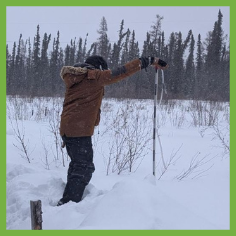
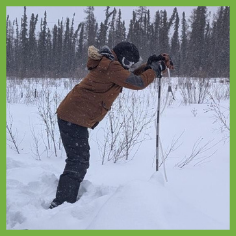
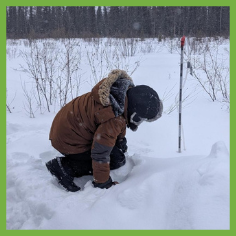
Youth also explored the important role wetlands play in storing and filtering water by measuring snow depth and collecting snow density samples to estimate how much water was stored in the snowpack. One of the highlights of the day was calculating that the site held approximately 7.4 Olympic-sized swimming pools worth of water in the snow.
The second camp took place in May and focused on land healing, restoration, and water health. DUC and the GPFC were joined by partners from Weyerhaeuser, Natural Resources Canada, the Mighty Peace Watershed Alliance, and the Government of Alberta. The day began with a smudge ceremony and sharing circle, followed by teachings on land stewardship, respect, and the importance of healing disturbed landscapes. Youth learned about wetland restoration and boreal ecosystem recovery before participating in restoration activities.
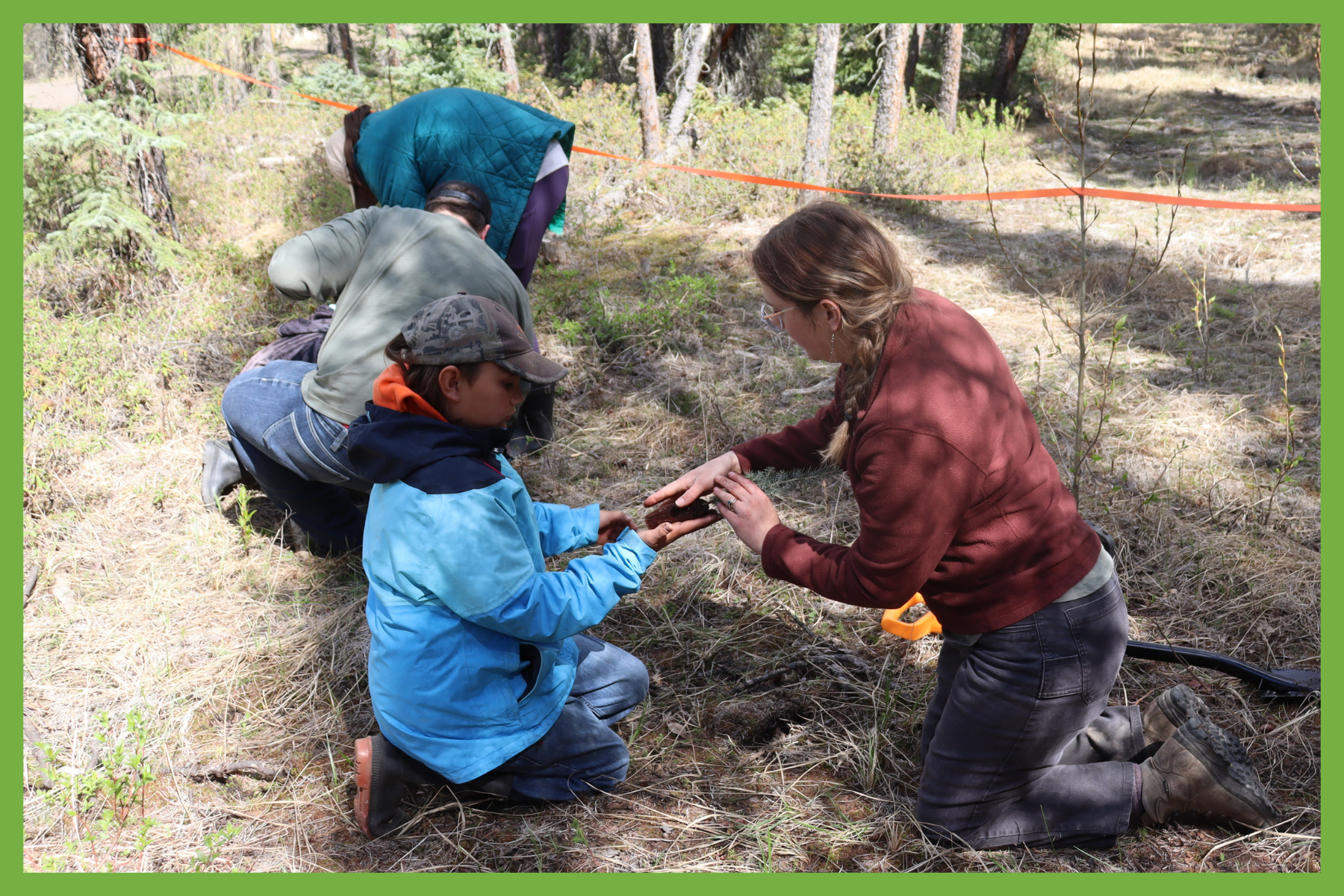
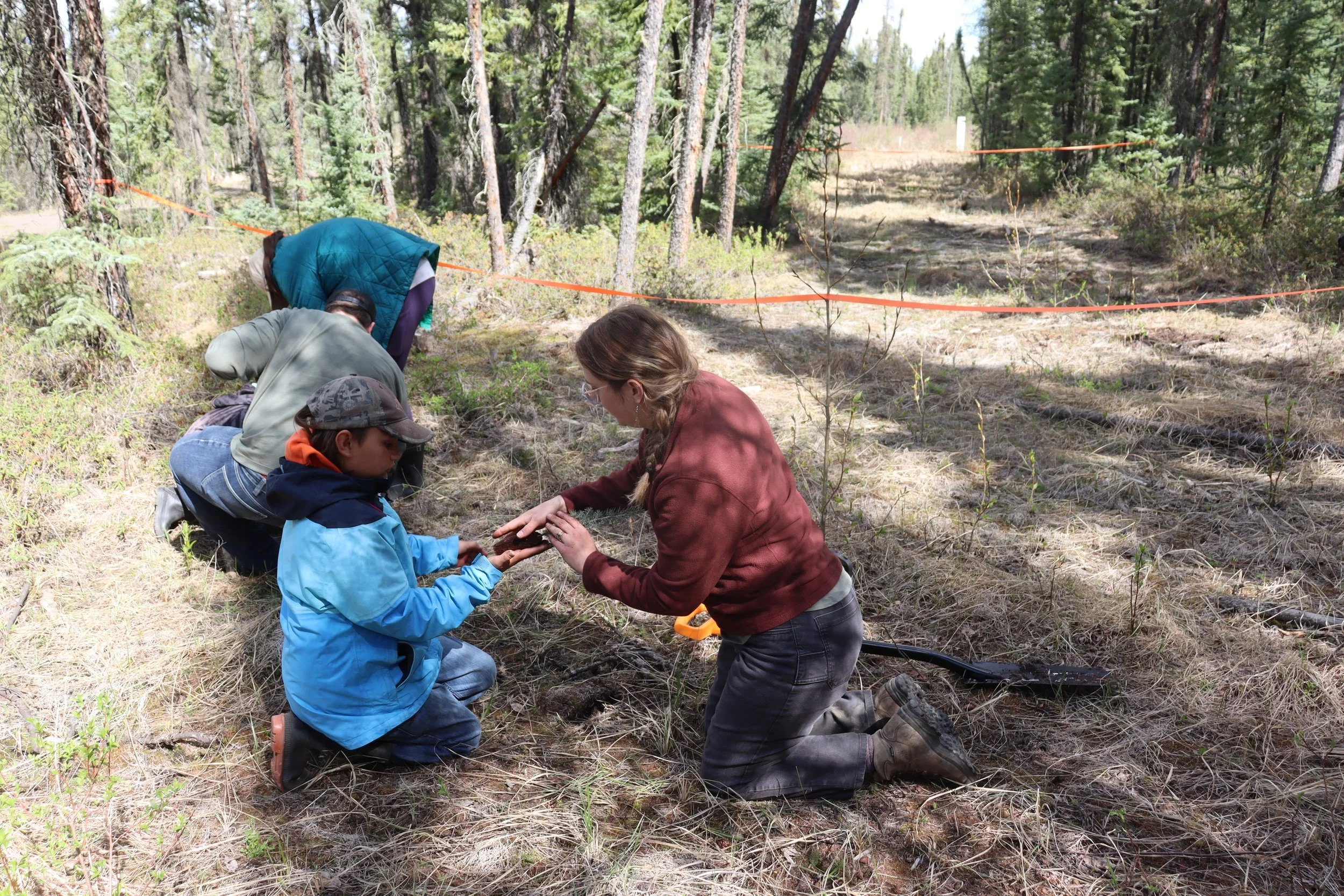
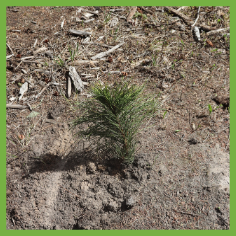
The youth received hands-on teaching in tree planting techniques and planted 150 tamarack, black spruce, and jack pine seedlings in disturbed wetland and connected upland areas at the Boreal Wetland Centre. They also learned about the Peace/Slave River Basin and regional water monitoring programs, gaining a broader understanding of freshwater conservation in northwest Alberta and beyond.
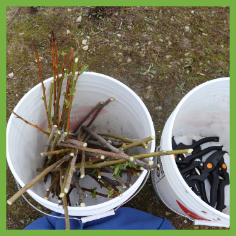
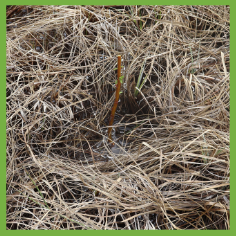
In the afternoon, youth were taught protocols for sustainable and respectful harvesting, learning how to minimize impacts on the land and support ecosystem recovery. Guided by these teachings, youth harvested willow stakes and planted them in a disturbed graminoid fen at the Boreal Wetland Centre.
Together, the winter and spring 2026 camps demonstrated the power of learning on the land. By combining cultural teachings, hands-on restoration, and Western Science, youth gained valuable knowledge and practical skills while developing stronger connections to the natural world and supporting the recovery of disturbed wetlands.
As the project continues, DUC and the GPFC will continue to braid Traditional Knowledge and Western Science, helping inspire the next generation of freshwater stewards and conservation leaders.